


How Did Tigers Come to the Sundarbans?
This river-shaped delta we call Bangladesh is small in size, but once it held astonishing natural wealth. Positioned between the Sino-Himalayan and Indo-Malayan ecological zones, the land was a treasure house of biodiversity. Today, population pressure and relentless deforestation have stripped much of that richness away. Yet one symbol of pride still stands strong — the Sundarbans.
And when we say Sundarbans, one image instantly appears: the striped tiger.
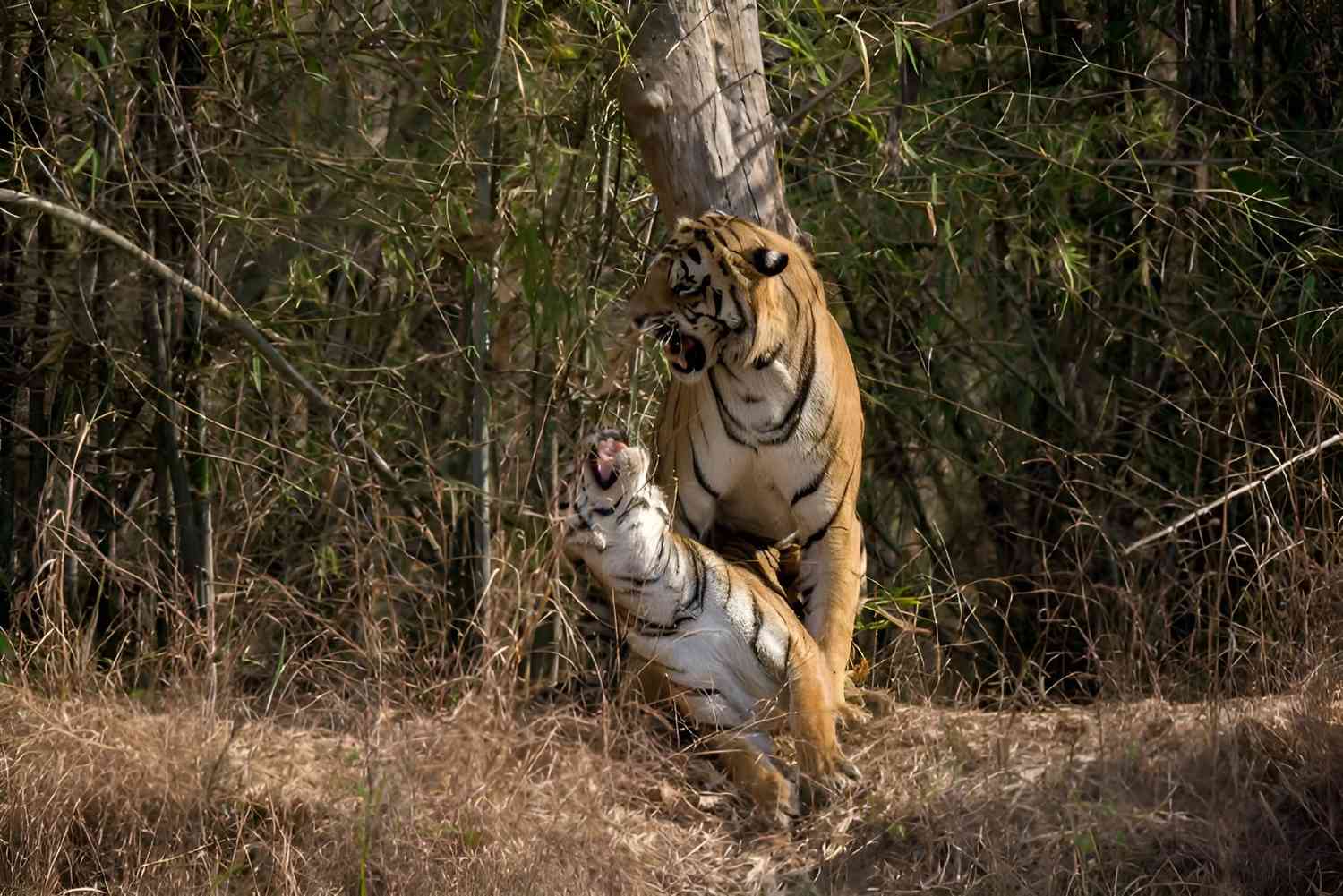
Muscular, orange, and marked with bold black lines, the Bengal tiger is the crown of this forest. Famous for its intelligence and courage, the Sundarbans tiger remains one of the least understood big cats in the world. Until the documentary Swamp Tiger in 2001, there wasn’t even proper video footage of these elusive animals.
This is the story of how tigers came to call the Sundarbans home.
The History of the Bengal Tiger
When people speak of Bengal tigers, they usually mean the Sundarbans tiger — though tigers across India, Nepal, and Bhutan belong to the same subspecies. Today, only six tiger subspecies survive worldwide: Bengal, Siberian, Malayan, Indochinese, Sumatran, and South China tigers. Of roughly 4,000 wild tigers left on Earth, more than 60% are Bengal tigers.
Their journey to South Asia began thousands of years ago during the Ice Ages. When glaciers spread across northern Asia, plant-eating animals migrated south in search of warmth. Tigers followed their prey. One group spread toward Central Asia and the Middle East. Another moved through China and Southeast Asia into the Indian subcontinent.
At that time, Bengal was heavily forested.
Political instability, pirate invasions, disease, and population decline during the Mughal period allowed forests to reclaim vast regions. From the Himalayan foothills to coastal Bengal, dense jungles spread unchecked. Massive mangrove forests formed along the southern coast — the early Sundarbans.
Later, British and Pakistani-era deforestation pushed wildlife into shrinking refuges. Tigers, cornered by habitat loss, retreated into the saltwater mangrove wilderness. Because the land was unsuitable for farming, it remained untouched longer than other forests. That is how the Sundarbans became a permanent sanctuary for tigers.
The Sundarbans: A Tiger’s Perfect Home
The Sundarbans is carved by rivers like the Shibsa, Pashur, Raimangal, and countless smaller channels. During monsoon seasons, Himalayan floodwaters deposit fertile silt that forms islands. Seeds carried by the rivers grow into salt-tolerant mangrove trees, creating a forest that survives where few others could.
The water is saline and oxygen-poor. Trees adapt in extraordinary ways: breathing roots pierce the soil, aerial roots rise above mud, clustered root systems anchor against tides. These tough, resilient plants form the foundation of the Sundarbans ecosystem.
Bangladesh’s portion of the Sundarbans covers about 6,000 square kilometers, nearly a third of which is water. The land is muddy, tidal, and constantly shifting. It is a landscape designed for survival — and the tiger fits perfectly into it.
The Nature of the Sundarbans Tiger
Wildlife diversity in the Sundarbans is lower than in mainland forests. Tigers primarily hunt spotted deer and wild boar, which make up most of their diet. They supplement with monkeys, reptiles, crabs, and birds. Unlike long-distance chasers, Sundarbans tigers rely on stealth and ambush.
A common myth claims Sundarbans tigers are the largest in the world. In reality, Siberian tigers are bigger. An adult Sundarbans tiger measures around 7.5–8 feet and weighs roughly 300 pounds — smaller than northern tigers, but no less powerful.
They are excellent swimmers and mostly hunt at night. Tigers are solitary creatures with strict territories. Only during mating season do they pair briefly. A mother tiger is fiercely protective; nothing is more dangerous than a tigress guarding her cubs.
The Man-Eater Reputation
Sundarbans tigers have a dark legend: man-eaters.
Even Mughal-era records describe tigers dragging people from boats. Some scientists theorized that salty water damaged the tiger’s organs, making them aggressive — though many experts reject this idea. Famous hunter Jim Corbett suggested that injured or aging tigers, unable to hunt normal prey, turn to humans out of desperation.
Thousands of honey collectors, fishermen, and woodcutters still enter the forest every year. Tigers observe silently from the shadows. Most encounters never happen. But the forest is unpredictable, and caution is part of survival.
Local communities respect the tiger deeply. Before entering the forest, many pray to Bonbibi, the guardian spirit of the Sundarbans. Even speaking the word “tiger” aloud is considered taboo — a superstition born from centuries of coexistence with a powerful predator.
Explore the Realm of the Tiger with Zeropoint
To travel through the Sundarbans is to step into one of the last true wilderness frontiers on Earth. It is a landscape shaped by tides, myths, storms, and survival — where humans walk carefully and nature sets the rules.
Zeropoint’s Sundarban tours allow travelers to experience this extraordinary ecosystem safely and responsibly. With trained guides, secure boat journeys, and deep local knowledge, Zeropoint turns a trip into an immersive encounter with wildlife, folklore, and delta culture.
You’ll glide through mangrove creeks, watch deer gather at riverbanks, visit forest watchtowers, and feel the electric awareness that somewhere nearby walks the legendary striped king.
This is not just a tour.
It is an expedition into living wilderness.
A Forest That Commands Respect
The Sundarbans is not conquered — it is respected. The tiger is not just an animal here; it is a symbol of balance, fear, and awe. For centuries, humans have survived beside it by honoring the forest’s invisible rules.
To visit the Sundarbans is to witness that fragile contract between nature and humanity.Ready to explore the tiger’s kingdom?
Travel with Zeropoint and discover the Sundarbans — where adventure, history, and wild beauty breathe together.


Leave a Reply
Your email address will not be published. Required fields are marked