


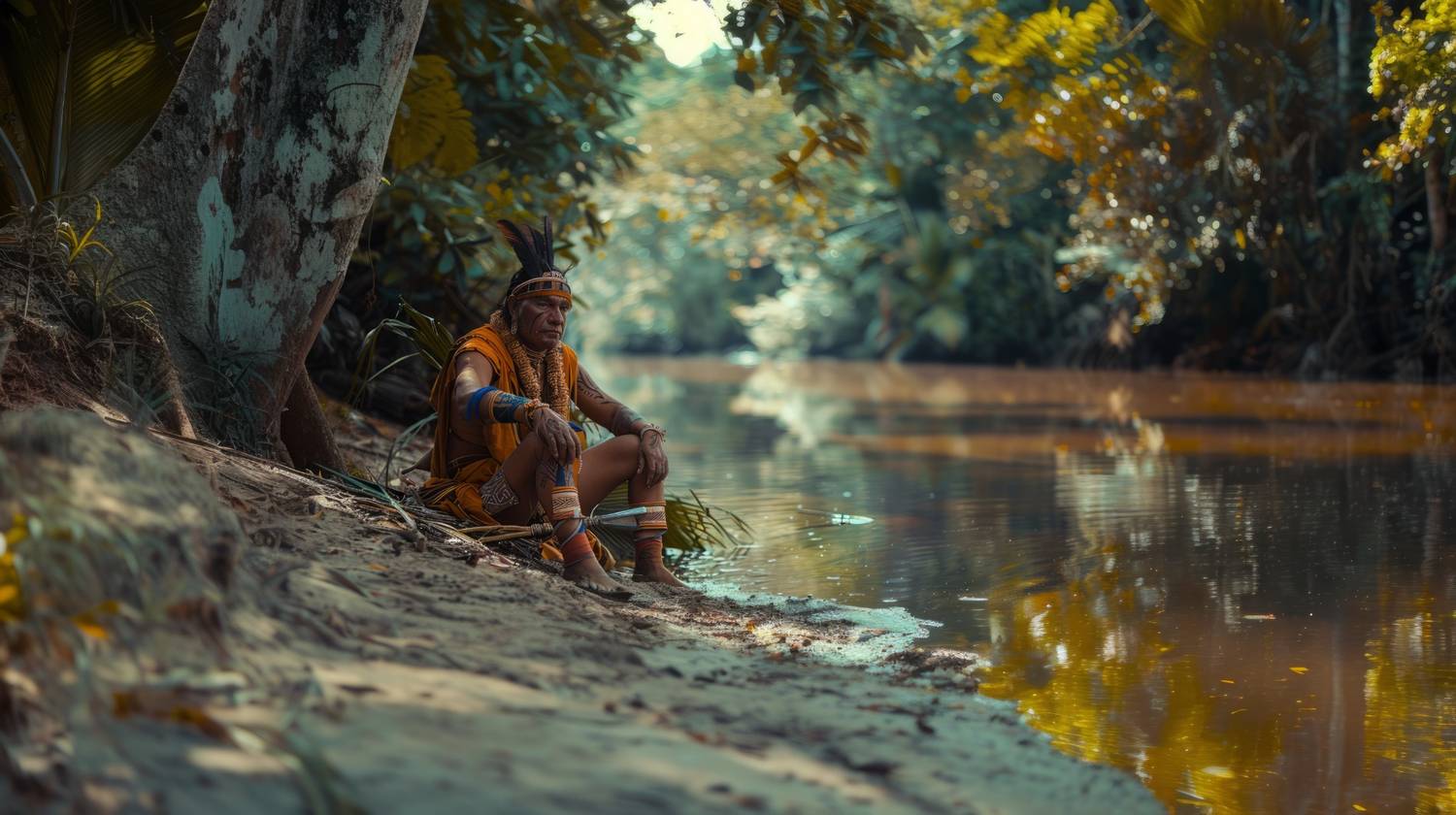
The Lost Civilization of Sundarban
The Lost Civilization of Sundarban: When Cities Stood Where Forests Now Breathe
The Sundarbans today is known as the world’s largest mangrove forest — a mysterious land of tidal rivers, emerald canopies, and the silent presence of the Royal Bengal Tiger. But long before it became a wilderness feared and admired, historians believe the Sundarbans may have been home to a rich and thriving civilization.
Hidden beneath mudflats and tangled roots lie whispers of a forgotten world.
A Civilization Beneath the Mangroves
Archaeological findings suggest that large parts of the Sundarbans were once populated by organized settlements. Ancient Bengal’s river routes connected traders to Southeast Asia, and the delta served as a crucial gateway of commerce and culture. Excavations at Rakshaskhali, Jatar Deul, and nearby regions have revealed temple structures, coins, pottery, and settlement remains dating back more than a millennium.
These were not scattered huts — they were signs of structured communities with religion, trade, and social order. The Sundarbans was once fertile, navigable, and welcoming to human life.
Today, when travelers sail through the same waterways, it is astonishing to imagine bustling towns where only mangroves stand.
Why Was the Civilization Abandoned?
Nature slowly reclaimed the land.
The Sundarbans sits on one of the most fragile and dynamic delta systems in the world. Over centuries, rivers changed course, cyclones devastated settlements, salinity increased, and land erosion made agriculture nearly impossible. Historical conflicts and pirate raids may have added to the instability.
Gradually, humans retreated.
Mangroves expanded into abandoned villages, temples sank into silt, and wildlife returned to dominate the terrain. What was once civilization transformed into wilderness — raw, powerful, and untamed.
Echoes of the Past Still Remain
Local folklore speaks of submerged ruins hidden deep in the forest. Fishermen occasionally discover carved stones or ancient bricks carried by the tides. Some elders believe the forest still protects the memory of its lost cities.
Traveling through the Sundarbans today feels like moving through layers of time. Every creek and island carries the sense that history is not gone — it is simply buried.
This is what makes a Sundarban journey more than a wildlife trip. It is an exploration of a landscape shaped by both humans and nature.
Experience the Mystery With Zeropoint
To truly understand the Sundarbans, you must see it from the water — drifting through narrow creeks, watching sunlight filter through mangroves, listening to stories from local guides who grew up with these legends.
Zeropoint’s Sundarban tours are designed not just as sightseeing trips, but as immersive journeys into history and wilderness. Their curated experiences combine safe boat travel, expert local knowledge, and authentic delta hospitality — allowing travelers to witness the beauty, mystery, and forgotten past of this UNESCO World Heritage region.
When you travel with Zeropoint, you are not just visiting a forest. You are walking the edge of a lost civilization.
A Living Museum of Time
The Sundarbans is a place where history and nature breathe together. It reminds us how powerful the Earth is — how cities can vanish, and forests can rise again.
For travelers seeking adventure, culture, and untold stories, the Sundarbans offers something rare: the feeling of discovering a secret the world almost forgot.
And some journeys are meant to be experienced, not just read about.Ready to explore the Sundarbans?
Let Zeropoint guide you through the waterways of history. Book your Sundarban tour and step into a land where civilization once stood — and nature now reigns.


Leave a Reply
Your email address will not be published. Required fields are marked